Pros And Cons Of Precast Technology
By Rishabh Chamoli | 2022-11-03
Could precast technology be the future of construction? As the construction industry continues to adopt newer technologies, lets learn about the precast technology, which has recently gained popularity among developers
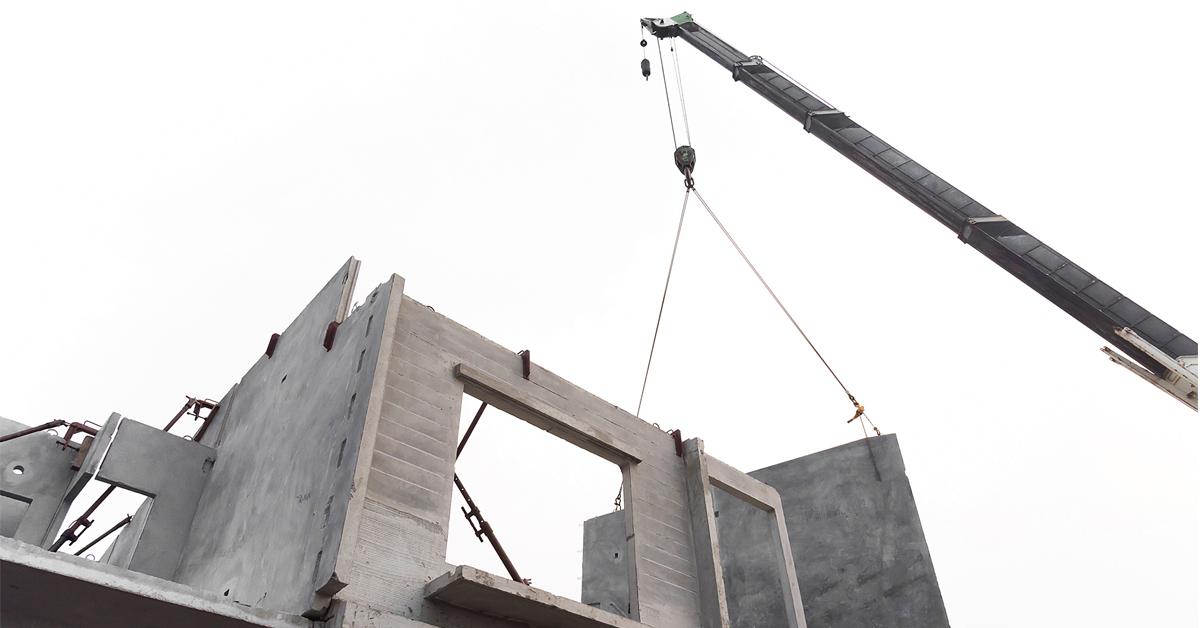
Over the past decade, the construction industry across the world has evolved and introduced several new technologies. India has been the frontrunner in adopting these newer technologies. And, why not, India is currently witnessing several infrastructural projects come up, and thus these technologies are a saviour. Precast technology is one of the primary ones that is fast gaining acceptance in the real estate sector. Under the advanced precast technology, different elements or different parts of a basic construction structure such as slabs, roofs, beams, wall panels, columns, support wings, etc. are custom designed and manufactured away from the construction site at a quality controlled factory, and then all of it is assembled at the final site to construct a building, says Shashank Phadke, a civil engineer. But how is this technology performing?
Time efficient
As the parts are made at a factory under a controlled environment, several works such as manufacturing the part, concrete casting, and finishing can be done simultaneously, unlike the manual procedure where one needs to dedicate several days for just the cement and bricks to be fixed. Also, with everything being custom made, the plan for each elements shape, size, and weight is predetermined, saving a lot of time. It is observed that on an average it takes at least 50 per cent less amount of time to make a structure when this technology is used against when constructed using traditional methods.
Assured quality
The usage of this technology eliminates the possibilities of human error as the independent structures are machine made. Additionally, the most important factors, which determine the quality of construction building, casting and curing, temperature, design mix, and frameworks can be monitored minutely
More durable
As these separate elements are tested beforehand against all possible impacts that can be potentially caused by various natural processes such as corrosion, acid attacks, and rainfall (water seepages), they are more durable than the ones constructed using traditional methods
Cost effective
Though one needs to invest a huge amount initially, the monetary returns post completion of structures are huge. The reason is zero to minimal maintenance cost. Also, increased durability helps avoid big repairs and renovations. Moreover, as the structure is completed in almost half the time as compared to when constructed using older methods, the developers can finish their projects faster and move on to the next one.
However, as its rightly said that every coin has two sides precast technology also comes with its own set of disadvantages. Highlighting them, Niranjan Hiranandani, national vice chairman, NAREDCO says
CONs
Transportation Difficulty
Smaller roads, numerous flyovers/skywalks/Metro lines make it difficult to transport these huge elements to the construction site from the factory where they are manufactured.
Damage control
We lack the availability of a damage control mechanism in case the parts are compromised while in transit as remaking these parts frequently will not serve the basic purpose (time management and enhancing cost effectiveness) of usage of this technology.
Modification possibility
As the structures are custom made, theres barely any room for modifications, a drawback, which might affect customer experience largely.
Environment
India is a country with quite an unstable climate and faces numerous natural calamities making it challenging to test the structures. Technology modification must be in alignment with the zoning, climate, topography and soil of the region as it improves its relevance and performance.
Precast concrete contributes to green building practices in significant ways as well by reducing waste and enabling optimum recycling. As the precast concrete is factory made, there is little waste created in the plant, further also reducing construction waste and debris on site. Insulation and connections within the precast concrete also contain recycled content. And thus, the real estate industry together needs to take the responsibility of establishing more such units because such technologies are beneficial to the industry as well as to the environment, concludes Hiranandani.
Verified Agents
📧 0***************@g*****.com
📍 Sector 94 Supertech Supernova , Noida
📧 a*************@g*****.com
📍 Noida Sec-133 Jaypee wishtown 'Noida- Greater Noida Expressway ', Noida
📧 a***************@g*****.com
📍 FAIZABAD ROAD, LUCKNOW, NEAR SHALIMAR PARADISE, Lucknow
📧 a*************@g*****.com
📍 Trehan independent floor Bhiwadi Alwar Rajasthan, Bhiwadi
📧 a*********@g*****.com
📍 Palm springs kankhal haridwar opposite to pilot baba ji ashram , Haridwar
📧 a**************@g*****.com
📍 Raibareli road shivgarh resort Lucknow , Lucknow
📧 a**********@g*****.com
📍 Sector 25, Jaypee Greens, Sports City Yamuna Expressway, Greator Noida , Noida
📧 a**********@g*****.com
📍 LANDCRAFT METROHOMES, NH-58, OPP HLM COLLEGE, GHAZIABAD.201206, Ghaziabad
📧 a*****************@g*****.com
📍 Spaze i-tech park sector 49, Gurgaon
📧 A*********@g*****.com
📍 Dabarsi Ghaziabad NH24 Near Jindal Steel Limited , Ghaziabad
📧 a*********@g*****.com
📍 Guru Homez - II, Prisma City, Sector 123, Greater Mohali (Pb.), Chandigarh
📧 A************@y*****.in
📍 urbtech xavier Sector 168 Noida , Noida
📧 a**************@g*****.com
📍 WEALTH CLINIC,SEC 132, NOIDA, Noida
📧 a***********@g*****.com
📍 Sector-113, Dwarka Expressway, Gurgaon, Gurgaon
📧 a**************@g*****.com
📍 Opp. Pink purple water park Mahpura jaipur , Bangalore
📧 a**************@g****.com
📍 Near by D P S SIDHRATHVIHAR GHAZIBAD, Ghaziabad
📧 a*******************@g*****.com
📍 Poorvideenkheda para Lucknow , Lucknow
📧 a************@g*****.com
📍 Royal palace, Indranagar thana, Lucknow , Lucknow
📧 a************@g*****.com
📍 Sector 66, Gurgaon, Gurgaon
📧 b********************@g*****.com
📍 Tilapta Gautam Buddh Nagar , Noida
📧 b*********************@g*****.com
📍 Shankarpally road, kardanur, Hyderabad
📧 b***************@g*****.com
📍 Signature Global City Sector 81 Gurgaon, Gurgaon
📧 b********@g*****.com
📍 Gautami realty adishakti building shop no 9 near breejwasi sweet new panvel, Navi Mumbai
📧 b*******************@g*****.com
📍 Sancoale Mormu gaon,south Goa, Goa
📧 b*********@g*****.com
📍 PARAKARANA SAHI OLD TOWN BHUBANESWAR,ODISHA, Bhubaneswar
📧 b********************@g*****.com
📍 प्रयागराज ( इलाहाबाद), प्रयागराज ( इलाहाबाद)
📧 c***************@g*****.com
📍 Millenium city bajrang paliya sawer road indore, Indore
📧 c****************@g*****.com
📍 yamuna Expressway Authority Plots (Greater Noida), Noida
📧 C****************@g*****.com
📍 C1/15 bhagwati garden extn 55ft road dwarka mor new Delhi -59, New Delhi
📧 c************@g*****.com
📍 Sector - 16B, C-34, Noida Extension, Noida
📧 c*********@y*****.com
📍 Sector 83 Gurgoan near NH48 adjacent to Jaipur Delhi Rd, Gurgaon
📧 c******************@g*****.com
📍 Main DB Gupta Road Karol bagh , New Delhi
📧 d****************@g*****.com
📍 NH- 2 , Near banke bihari mandir , vrindawan , Mathura, Agra
📧 d*******************@g*****.com
📍 Sector -16B greater Noida West ek murti , Noida
📧 d******************@g*****.com
📍 Plot No- SC-01/B-8, Sector-150, Noida, UP-201310, Noida
📧 d******************@g*****.com
📍 Kanganheri Chawla, New Delhi , New Delhi
📧 d********************@g*****.com
📍 Near Spectrum Metro, Sector 74 , Noida , Noida
📧 d*****************@g*****.com
📍 Near Ek murti, Roja Jalalpur, Noida
📧 d*****************@g*****.com
📍 Dholera, GUJARAT, Dholera, GUJARAT
📧 d**************@g*****.com
📍 A.B.Road Rau,Near Emerald Hight Intarnastional school, Indore
📧 D************@g*****.com
📍 Noida Extension, Greater Noida, Noida
📧 d***************@g*****.com
📍 SECTOR-6,POCKET-C,SUSHANT GOLF CITY,NEAR ISKON TEMPLE,LUCKNOW, Lucknow
📧 e******************@g*****.com
📍 Sector 106 dwarka expressway. , Gurugram
📧 e*************@g*****.com
📍 R.C.Reddy complex, Near metro station UPPAL , Hyderabad
📧 f***************@g*****.com
📍 plot no 1, sector 90, noida , 201301, Noida
📧 f*************@1*******.com
📍 plot-1, sector 90, noida 201301, Noida
📧 g*******************@g*****.com
📍 Pandav Nagar golf link ghaziabad , Ghaziabad
📧 g******************@g*****.com
📍 World square mall mohan nagar ghaziabad, Ghaziabad
📧 g***************@g*****.com
📍 Sheikhpura 14 majar gali raja bjar patna, Patna
📧 g**************@g*****.com
📍 Near D Mart Jagatpura Jaipur , Jaipur
📧 g*********************@g*****.com
📍 Narayankhed, Sangareddy District, Hyderabad
📧 h********************@g*****.com
📍 Plot no GH-05 sector CHI Greater Noida , Noida
📧 h***********@g*****.com
📍 BBD Green City Sunbreeze 1, Faizabad Road, Lucknow, Lucknow
📧 i****************@g*****.com
📍 Sector19 yeida (gaur yamuna city)near upcoming film city, Noida
📧 i**************@g*****.com
📍 Amethi Bazaar Gosaiganj Lucknow, Lucknow
📧 i****************@g*****.com
📍 Tusyana knowledge park-5,, Noida
📧 i******************@g*****.com
📍 Near international jewar airport , Noida
📧 j***************@g*****.com
📍 New Delhi, Panchsheel Park, South Delhi, New Delhi
📧 j**********@g*****.com
📍 House no 124 gali no. 4block A near maruti kunj Bhondai gurgaon , Gurgaon
📧 j****************@g*****.com
📍 Yamuna expressway Nearby world class location Formula one Racing, Noida
📧 k**************@g*****.com
📍 Plot no. Gh09 la Palacia tech zone 4, Noida
📧 k**************@g*****.com
📍 South of Gurgaon Sohna Sec 33, Gurgaon
📧 k*******@g*****.com
📍 Jasola Vihar Main kalindi kunj G 67 New Delhi , Ghaziabad
📧 k******************@g*****.com
📍 KARANJADE SEC R4 PANVEL NAVI MUMBAI, Navi Mumbai
📧 k**************@g*****.com
📍 Plot No-01A, Sector-140A, Noida-201305, UP, Noida
📧 k*************@g*****.com
📍 Near Jalsa Resorts, Sultanpur Road, Lucknow. , Lucknow
📧 m************@g*****.com
📍 Delhi jaipur highway 🛣️ Neemrana rajasthan , Gurgaon
📧 m****************@g*****.com
📍 E block, Kirti Nagar, New Delhi - West, Delhi NCR, New Delhi
📧 m*****************@g*****.com
📍 Ghugari talab mohan road Agra express way , Lucknow
📧 m*********@t*********.com
📍 Lord krishna medlley GYC, Noida
📧 m**************@g*****.com
📍 Lucknow Agra Expressway chauraha , Lucknow
📧 m************@y*****.com
📍 Naskal village, vikarabad , Hyderabad
📧 m************@g*****.com
📍 Golf course extension road,sector 62 gurgaon , Gurgaon
📧 m******************@g*****.com
📍 Summer Palm Apartment, Sector 86, Faridabad
📧 m************@g*****.com
📍 Manas Vihar, Indira Nagar, Lucknow, Lucknow
📧 n***********@g*****.com
📍 4/330 vineet khand gomtinagar lucknow, Lucknow
📧 n*****************@g*****.com
📍 Nagendra Nagar Rishikesh Uttrakhand , Haridwar
📧 n**************@g*****.com
📍 Dwarka Expressway Sec 102, Gurgaon
📧 n****************@g*****.com
📍 Site 5 surajpur greater Noida , Noida
📧 n***************@g*****.com
📍 Shagun arcade Vijay Nagar indore, Indore
📧 n*********@g*****.com
📍 Sector 103, Dwarka Experess Way, Gurgaon, Gurgaon
📧 n************@2********.com
📍 SECTOR 73 , NEAR 52 METRO STATION, Noida
📧 n*****************@g*****.com
📍 Yamuna expressway Sectar-17A , Noida
📧 n*************@y*****.com
📍 Sector -37d Dwarka expressway ,Gurgaon, Gurgaon
📧 n*********@g*****.com
📍 Near integral university, kursi road, Lucknow , Lucknow
📧 o*****************@g*****.com
📍 sector - 84 , Dwarka Expressway , Gurgaon, Gurgaon
📧 o******************@g*****.com
📍 Sector 37D, Dwarka Expressway , Gurgaon, Gurgaon
📧 p****************@g*****.com
📍 Aligarh Palwal State Highway near by the imparial school. , Noida
📧 p*********@a****************.com
📍 Sec-79 Greater Faridabad Haryana , Faridabad
📧 p***********************@g*****.com
📍 Lulu mall ke samne , Lucknow
📧 p***************@g*****.com
📍 Nehru Nagar,Bhosari Road, Kharalwadi Pimpri Colony . Pimpri- chinchwad pune 18, Pune
📧 p****************@g*****.com
📍 Gomti Nagar Extension Bypass Road, Lucknow, Lucknow
📧 p****************@g*****.com
📍 Sector 63, Golf Course Extension Road, Gurgaon, Gurgaon
📧 p****************@g******.com
📍 Vrindavan Yojana, Lucknow, Lucknow
📧 p******************@g*****.com
📍 jaypee greens kalypso court, Noida
📧 p****************@g*****.com
📍 B- Block, Sector- Omicron 2, Greater Noida, Noida
📧 p*******************@g*****.com
📍 Lucknow bijnor crpf camp, Lucknow
📧 r*******************@y*****.com
📍 Shadnagar, Shadnagar
📧 r***********@g*****.com
📍 Tappal Village, Jewar, Yamuna Expressway, Noida
📧 r**************@g*****.com
📍 Sector 113, Bajghera, Gurugram, Haryana 122017, Gurgaon
📧 r*******************@g*****.com
📍 NH-58 Meerut Road Ghaziabad, Ghaziabad
📧 r******************@g*****.com
📍 Near Ramada Hotel, Kanpur Road, Lucknow, Lucknow
📧 r***********@g*****.com
📍 Sector 14 Vrindavan Telibagh Lucknow , Lucknow
📧 r**********@m************.in
📍 GAUR City 2 , 11th Avanue , Noida
📧 r*********************@g*****.com
📍 Group 108 One FNG , Noida
📧 r****************@g*****.com
📍 E 8 Basant Kunj arera colony, Bhopal , Bhopal
📧 r************@g*****.com
📍 Near bbd kishan path gomti nagar , Lucknow
📧 s******************@g*****.com
📍 Maan Associate Rajendra Park Gurgaon, Bangalore
📧 s*********************@g*****.com
📍 sector 53 noida gijhor, Noida
📧 s***************@g*****.com
📍 Logix Technova Sec 132 Noida, Noida
📧 s***************@g*****.com
📍 Eldeco City, IIM Road, Lucknow , Lucknow
📧 s******************@y*****.com
📍 Sector 16B ,Greater Noida West, Noida
📧 s***********@g*****.com
📍 SEC -106 GURGOAN, Gurgaon
📧 s********@y*****.com
📍 గుంటూరు, విజయవాడ, కర్నూల్ మరియు హైదరాబాద్ సిటీలో **** ఇల్లు,పొలాలు, స్థలాలు,షాపింగ్ కాంప్లెక్స్ , అపార్టుమెంట్లు,బిల్డింగ్ లు, గేటెడ్ కమ్యూనిటీ ఫ్లాట్స్ కొన్నదలచిన (లేదా) అమ్మదలచిన. బ్యాంక్ ఆక్షన్ లో కొన్నదలచిన. ~~~~ బ్యాంక్ & ప్రైవేట్ ఫైనాన్స్ ఇప్పించబడును. ~~~~ JAK ( జాక్ ) రియల్ ఎస్టేట్ కన్సల్టెన్సీ మంచాల శేషయ్య, (కాశి), Property Advisor గుంటూరు, 905 280 1746, seshu_js@yahoo.com, Guntur
📧 s****************@g*****.com
📍 Prem nagar near shankar garh ki pulia shahganj agra, Agra
📧 s****************@g*****.com
📍 Bamrauli near bhagwatpur mod , Allahabad
📧 s**************@o*******.com
📍 Srinagar Zakura Hazratbal, Srinagar Kashmir
📧 s**********@g*****.com
📍 Plot no-11,Techzone-4,NoidaExtension, Noida
📧 S****************@g*****.com
📍 Near Amousi Airport Kanpur Road Sarojini Nagar Rahimabad , Lucknow
📧 s**************@g*****.com
📍 C-17, Sector 19, Gaur Yamuna city, Yamuna Expressway , Noida
📧 s**********@g*****.om
📍 Aradhana Enclave, Ring Rd, Sector 13 R K Puram, R. K. Puram, Sector - 13, New Delhi, Delhi 110066, New Delhi
📧 s*********@g*****.com
📍 A-102 Sector 137 Exotica Fresco, Noida, UP, India, Noida
📧 s***********@g*****.com
📍 sector 67 , landmark cyber park, Gurugram., Gurgaon
📧 s*************@g*****.com
📍 Near pilot baba ashram, kankhal Haridwar, Haridwar
📧 s*******@r********.com
📍 Sector - 93, Gurgaon, Haryana, 122505, Gurgaon
📧 t*****@o***************.com
📍 Bhutani Grandthum Plot no. 7, Techzone 4, Amrapali Leisure Valley, Noida, Uttar Pradesh 201301, Noida
📧 t*************@g*****.com
📍 NH-334, Near Crystal world Adjacent to arogyam society Badheri Haridwar, Haridwar
📧 t****************@g*****.com
📍 sector 85 Gurgoan, Dwarka expressway, Gurgaon
📧 t*************@g*****.com
📍 4th Floor Express Trade Tower, Sec 132 Noida, Noida
📧 U******************@g*****.com
📍 Sector 92 , Gurgaon, Gurgaon
📧 u************@g*****.com
📍 Sector 61 , Pioneer park gurgaon, Gurgaon
📧 u***************@g*****.com
📍 Angan Villas vaidpura greater noida west., Noida
📧 v*********************@g*****.com
📍 vantagepropertiess8721@gmail.com, Pune
📧 v*************@g*****.com
📍 Banthra Lucknow kanpur highway , Lucknow
📧 v**********@g*****.com
📍 On Srisailam Hiway, Bangalore Hiway, Mumbai Hiway , Hyderabad
📧 v************@g*****.com
📍 Nawada Metro Vipin Garden Dwarka , New Delhi
📧 y********************@y*****.co.in
📍 South City-1 Block M gurgaon, Gurgaon
📧 y**********@g*****.com
📍 Raj Nagar Extension Ghaziabad, Ghaziabad
📧 y**********@g*****.com
📍 Indirapuram, Ghaziabad, Next to CISF Camp, Near NH-24 - 201014, Ghaziabad
📧 y***********@g*****.com
📍 Rajnagar extension Ghaziabad, Ghaziabad
📧 y******************@g*****.com
📍 Jewar Tappal hamidpur, Noida
📧 y*************@g*****.com
📍 Dwarka Expressway sector-106 Gurgaon, Gurgaon
Area Calculator
Save your money,
contact Owners directly
Become an Ratnkunj Prime member now.
Support from Relationship Manager.
Call upto 35 Owner directly
Get accessed by over 1 Lakh buyers .
Hassel-free site visits with us
Home Loan EMI Calculator
How much will i have to pay every month?
Your EMI Per Month will be
33038.00