-2035575813.jpeg)
Delhi NCR Construction ban re introduced as the air quality worsens
By Rishabh Chamoli | 2022-12-06
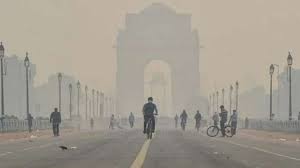
As the average Air Quality Index (AQI) of Delhi moved into the severe stage at above 400 on December 4, 2022, the Commission for Air Quality Management (CAQM) once again implemented the Stage III of the Graded Response Action Plan (GRAP). Consequently, all non essential construction work has been banned in Delhi NCR.
The Commission for Air Quality Management (CAQM) has re instated strict curbs under the third stage of the Graded Response Action Plan (GRAP) after Delhis Air Quality Index (AQI) dropped to 407 on Sunday, December 4, 2022. The commission had lifted the necessary restrictions on November 14, 2022, after the air quality had significantly improved. However, the recent analysis has highlighted the need to curb non essential construction and demolition activities in Delhi NCR.
What are GRAP and its stages?
The GRAP is a set of measures followed in Delhi NCR to check air pollution levels. It is broadly divided into four stages, depending on the consistent AQI in the region.
While the regions AQI was averaging very poor in the last week of October 2022, the smog reached the severe zone, and this continued after November 1, 2022. However, the restrictions were lifted in the third week of November 2022 as the average AQI was poor, and nearly 100 points lower than what was needed to continue the restrictions under Stage III of GRAP. Although the ban was lifted, CAQM emphasised the need to follow dust control norms.
Why was Stage III of the GRAP implemented in Delhi NCR in October 2022?
Alarmed by the rising pollution levels in Delhi NCR, the CAQM in an emergency meeting on October 30, 2022, had implemented Stage III of the GRAP and invoked necessary bans on construction and demolition activities. The region had witnessed an AQI of mostly above 300 since Diwali on October 24, 2022.
What measures were taken under Stage III of the GRAP the last time?
Under Stage III, a series of strict bans were implemented on the construction, demolition and mining activities in Delhi, Noida, Ghaziabad, and Gurgaon, among other parts of the NCR. Non polluting activities, such as plumbing, electrical, carpentry and interior decoration works, were allowed.
Some operations facing the ban were excavation, boring, drilling, welding, loading and unloading of construction materials, drainage work, vehicular movement on an unpaved road, laying sewer and water lines, road construction, waterproofing, cutting and fixing of tiles, stones and other repair works. To ensure non violation of the construction ban, the Delhi government had placed over 580 teams with officials from various departments to work on the same.
The ban, however, did not apply to projects dealing with national security, defence, railways and metro. Also, the ban was not applicable to the ongoing construction of the Noida International Airport, coming up in Jewar, as a delay in the completion of the project can potentially lead to a penalty of around Rs 10 lakh per day.
It is important to note that under Stage IV of the GRAP, the ban would have included curbs like restricting the entry of trucks in Delhi NCR, only 50 percent workforce to operate out of office in public and private sectors, and temporary closure of educational institutions, to name a few.
The Noida Authority sprinkled water on various roads as per CAQMs directives, totaling almost 165 km to control the dust flying along these stretches. Also, the authoritys Horticulture Department washed 25 km of roads, central verges, and plants. It further stated that about 260.75 tonne of Construction and Demolition (C&D) was collected from several sectors of the city, and it was moved to the C&D Processing Plant in Noida Sector 80 for disposal.
Taking cognisance of increasing pollution, the Yamuna Expressway Industrial Development Authority (YEIDA) also started exploring scientific methods of soil stabilisation to regulate construction dust, which is a significant contributor to air pollution. As per Arun Vir Singh, CEO, YEIDA, As the region suffers from poor AQI every winter, the authority invited organisations to give presentations on the subject. If a suitable methodology is found, the authority will look into making it a part of the construction policy.
What has the Haryana State Pollution Control Board (HSPCB) found?
The Haryana State Pollution Control Board has found that only about five percent of the large construction and demolition projects in Gurgaon are enrolled on the States web portal for dust control. Gurgaon is believed to have around 3,000 construction sites of 500 sq m or more, of which a little over 150 are registered. Consequently, the Haryana State Pollution Control Board (HSPCB) has decided to debar these sites from resuming operations once the restrictions under Stage III of GRAP are lifted.
Further, the board has noticed that despite the need to mandatorily install PM 2.5 and PM 10 sensors for feeding real time information into the portal, no large construction site has abided by the CAQM directives.
The board is conducting inspections and issuing notices to the defaulters at the moment however, continued violations may lead to penalties and prosecution at environment courts.
How can a construction ban impact the realty of Delhi NCR?
Presently, over 5.5 lakh residential units are being constructed in Delhi NCR, including Greater Noida West, Yamuna Expressway, New Gurgaon, Noida Expressway, Dwarka Expressway, Central Noida, Greater Faridabad, Raj Nagar Extension in Ghaziabad, Sohna Road, and Golf Course Extension Road. And there are more than 4 lakh units in these areas combined.
According to an industry report, a construction ban due to air pollution could be a serious setback for ongoing projects since residential projects in Delhi NCR typically take 6 to 8 years to complete. Experts opine that banning construction due to poor air quality might have serious consequences. This can delay a project at least three to four months if construction activity is banned for one month.
Does construction ban impact property prices in the region?
According to experts, construction bans have a negligible impact on property prices. The construction ban, however, could delay project delivery. Currently, Greater Noida West has more than 1.3 lakh units under construction, and a construction ban could affect project deliveries in the future.
Furthermore, real estate prices in most cities are not so much determined by environmental concerns as by access, proximity to city centres and major employment centres, urban mobility, and affordability.
Although realty transactions in Delhi NCR have been steadily growing, the constant restrictions may impact project delivery significantly. However, on the brighter side, despite restrictions, housing sales have been strong, and it is hoped that the positive demand continues.
Verified Agents
📧 0***************@g*****.com
📍 Sector 94 Supertech Supernova , Noida
📧 a*************@g*****.com
📍 Noida Sec-133 Jaypee wishtown 'Noida- Greater Noida Expressway ', Noida
📧 a***************@g*****.com
📍 FAIZABAD ROAD, LUCKNOW, NEAR SHALIMAR PARADISE, Lucknow
📧 a*************@g*****.com
📍 Trehan independent floor Bhiwadi Alwar Rajasthan, Bhiwadi
📧 a*********@g*****.com
📍 Palm springs kankhal haridwar opposite to pilot baba ji ashram , Haridwar
📧 a**************@g*****.com
📍 Raibareli road shivgarh resort Lucknow , Lucknow
📧 a**********@g*****.com
📍 Sector 25, Jaypee Greens, Sports City Yamuna Expressway, Greator Noida , Noida
📧 a**********@g*****.com
📍 LANDCRAFT METROHOMES, NH-58, OPP HLM COLLEGE, GHAZIABAD.201206, Ghaziabad
📧 a*****************@g*****.com
📍 Spaze i-tech park sector 49, Gurgaon
📧 A*********@g*****.com
📍 Dabarsi Ghaziabad NH24 Near Jindal Steel Limited , Ghaziabad
📧 a*********@g*****.com
📍 Guru Homez - II, Prisma City, Sector 123, Greater Mohali (Pb.), Chandigarh
📧 A************@y*****.in
📍 urbtech xavier Sector 168 Noida , Noida
📧 a**************@g*****.com
📍 WEALTH CLINIC,SEC 132, NOIDA, Noida
📧 a***********@g*****.com
📍 Sector-113, Dwarka Expressway, Gurgaon, Gurgaon
📧 a**************@g*****.com
📍 Opp. Pink purple water park Mahpura jaipur , Bangalore
📧 a**************@g****.com
📍 Near by D P S SIDHRATHVIHAR GHAZIBAD, Ghaziabad
📧 a*******************@g*****.com
📍 Poorvideenkheda para Lucknow , Lucknow
📧 a************@g*****.com
📍 Royal palace, Indranagar thana, Lucknow , Lucknow
📧 a************@g*****.com
📍 Sector 66, Gurgaon, Gurgaon
📧 b********************@g*****.com
📍 Tilapta Gautam Buddh Nagar , Noida
📧 b*********************@g*****.com
📍 Shankarpally road, kardanur, Hyderabad
📧 b***************@g*****.com
📍 Signature Global City Sector 81 Gurgaon, Gurgaon
📧 b********@g*****.com
📍 Gautami realty adishakti building shop no 9 near breejwasi sweet new panvel, Navi Mumbai
📧 b*******************@g*****.com
📍 Sancoale Mormu gaon,south Goa, Goa
📧 b*********@g*****.com
📍 PARAKARANA SAHI OLD TOWN BHUBANESWAR,ODISHA, Bhubaneswar
📧 b********************@g*****.com
📍 प्रयागराज ( इलाहाबाद), प्रयागराज ( इलाहाबाद)
📧 c***************@g*****.com
📍 Millenium city bajrang paliya sawer road indore, Indore
📧 c****************@g*****.com
📍 yamuna Expressway Authority Plots (Greater Noida), Noida
📧 C****************@g*****.com
📍 C1/15 bhagwati garden extn 55ft road dwarka mor new Delhi -59, New Delhi
📧 c************@g*****.com
📍 Sector - 16B, C-34, Noida Extension, Noida
📧 c*********@y*****.com
📍 Sector 83 Gurgoan near NH48 adjacent to Jaipur Delhi Rd, Gurgaon
📧 c******************@g*****.com
📍 Main DB Gupta Road Karol bagh , New Delhi
📧 d****************@g*****.com
📍 NH- 2 , Near banke bihari mandir , vrindawan , Mathura, Agra
📧 d*******************@g*****.com
📍 Sector -16B greater Noida West ek murti , Noida
📧 d******************@g*****.com
📍 Plot No- SC-01/B-8, Sector-150, Noida, UP-201310, Noida
📧 d******************@g*****.com
📍 Kanganheri Chawla, New Delhi , New Delhi
📧 d********************@g*****.com
📍 Near Spectrum Metro, Sector 74 , Noida , Noida
📧 d*****************@g*****.com
📍 Near Ek murti, Roja Jalalpur, Noida
📧 d*****************@g*****.com
📍 Dholera, GUJARAT, Dholera, GUJARAT
📧 d**************@g*****.com
📍 A.B.Road Rau,Near Emerald Hight Intarnastional school, Indore
📧 D************@g*****.com
📍 Noida Extension, Greater Noida, Noida
📧 d***************@g*****.com
📍 SECTOR-6,POCKET-C,SUSHANT GOLF CITY,NEAR ISKON TEMPLE,LUCKNOW, Lucknow
📧 e******************@g*****.com
📍 Sector 106 dwarka expressway. , Gurugram
📧 e*************@g*****.com
📍 R.C.Reddy complex, Near metro station UPPAL , Hyderabad
📧 f***************@g*****.com
📍 plot no 1, sector 90, noida , 201301, Noida
📧 f*************@1*******.com
📍 plot-1, sector 90, noida 201301, Noida
📧 g*******************@g*****.com
📍 Pandav Nagar golf link ghaziabad , Ghaziabad
📧 g******************@g*****.com
📍 World square mall mohan nagar ghaziabad, Ghaziabad
📧 g***************@g*****.com
📍 Sheikhpura 14 majar gali raja bjar patna, Patna
📧 g**************@g*****.com
📍 Near D Mart Jagatpura Jaipur , Jaipur
📧 g*********************@g*****.com
📍 Narayankhed, Sangareddy District, Hyderabad
📧 h********************@g*****.com
📍 Plot no GH-05 sector CHI Greater Noida , Noida
📧 h***********@g*****.com
📍 BBD Green City Sunbreeze 1, Faizabad Road, Lucknow, Lucknow
📧 i****************@g*****.com
📍 Sector19 yeida (gaur yamuna city)near upcoming film city, Noida
📧 i**************@g*****.com
📍 Amethi Bazaar Gosaiganj Lucknow, Lucknow
📧 i****************@g*****.com
📍 Tusyana knowledge park-5,, Noida
📧 i******************@g*****.com
📍 Near international jewar airport , Noida
📧 j***************@g*****.com
📍 New Delhi, Panchsheel Park, South Delhi, New Delhi
📧 j**********@g*****.com
📍 House no 124 gali no. 4block A near maruti kunj Bhondai gurgaon , Gurgaon
📧 j****************@g*****.com
📍 Yamuna expressway Nearby world class location Formula one Racing, Noida
📧 k**************@g*****.com
📍 Plot no. Gh09 la Palacia tech zone 4, Noida
📧 k**************@g*****.com
📍 South of Gurgaon Sohna Sec 33, Gurgaon
📧 k*******@g*****.com
📍 Jasola Vihar Main kalindi kunj G 67 New Delhi , Ghaziabad
📧 k******************@g*****.com
📍 KARANJADE SEC R4 PANVEL NAVI MUMBAI, Navi Mumbai
📧 k**************@g*****.com
📍 Plot No-01A, Sector-140A, Noida-201305, UP, Noida
📧 k*************@g*****.com
📍 Near Jalsa Resorts, Sultanpur Road, Lucknow. , Lucknow
📧 m************@g*****.com
📍 Delhi jaipur highway 🛣️ Neemrana rajasthan , Gurgaon
📧 m****************@g*****.com
📍 E block, Kirti Nagar, New Delhi - West, Delhi NCR, New Delhi
📧 m*****************@g*****.com
📍 Ghugari talab mohan road Agra express way , Lucknow
📧 m*********@t*********.com
📍 Lord krishna medlley GYC, Noida
📧 m**************@g*****.com
📍 Lucknow Agra Expressway chauraha , Lucknow
📧 m************@y*****.com
📍 Naskal village, vikarabad , Hyderabad
📧 m************@g*****.com
📍 Golf course extension road,sector 62 gurgaon , Gurgaon
📧 m******************@g*****.com
📍 Summer Palm Apartment, Sector 86, Faridabad
📧 m************@g*****.com
📍 Manas Vihar, Indira Nagar, Lucknow, Lucknow
📧 n***********@g*****.com
📍 4/330 vineet khand gomtinagar lucknow, Lucknow
📧 n*****************@g*****.com
📍 Nagendra Nagar Rishikesh Uttrakhand , Haridwar
📧 n**************@g*****.com
📍 Dwarka Expressway Sec 102, Gurgaon
📧 n****************@g*****.com
📍 Site 5 surajpur greater Noida , Noida
📧 n***************@g*****.com
📍 Shagun arcade Vijay Nagar indore, Indore
📧 n*********@g*****.com
📍 Sector 103, Dwarka Experess Way, Gurgaon, Gurgaon
📧 n************@2********.com
📍 SECTOR 73 , NEAR 52 METRO STATION, Noida
📧 n*****************@g*****.com
📍 Yamuna expressway Sectar-17A , Noida
📧 n*************@y*****.com
📍 Sector -37d Dwarka expressway ,Gurgaon, Gurgaon
📧 n*********@g*****.com
📍 Near integral university, kursi road, Lucknow , Lucknow
📧 o*****************@g*****.com
📍 sector - 84 , Dwarka Expressway , Gurgaon, Gurgaon
📧 o******************@g*****.com
📍 Sector 37D, Dwarka Expressway , Gurgaon, Gurgaon
📧 p****************@g*****.com
📍 Aligarh Palwal State Highway near by the imparial school. , Noida
📧 p*********@a****************.com
📍 Sec-79 Greater Faridabad Haryana , Faridabad
📧 p***********************@g*****.com
📍 Lulu mall ke samne , Lucknow
📧 p***************@g*****.com
📍 Nehru Nagar,Bhosari Road, Kharalwadi Pimpri Colony . Pimpri- chinchwad pune 18, Pune
📧 p****************@g*****.com
📍 Gomti Nagar Extension Bypass Road, Lucknow, Lucknow
📧 p****************@g*****.com
📍 Sector 63, Golf Course Extension Road, Gurgaon, Gurgaon
📧 p****************@g******.com
📍 Vrindavan Yojana, Lucknow, Lucknow
📧 p******************@g*****.com
📍 jaypee greens kalypso court, Noida
📧 p****************@g*****.com
📍 B- Block, Sector- Omicron 2, Greater Noida, Noida
📧 p*******************@g*****.com
📍 Lucknow bijnor crpf camp, Lucknow
📧 r*******************@y*****.com
📍 Shadnagar, Shadnagar
📧 r***********@g*****.com
📍 Tappal Village, Jewar, Yamuna Expressway, Noida
📧 r**************@g*****.com
📍 Sector 113, Bajghera, Gurugram, Haryana 122017, Gurgaon
📧 r*******************@g*****.com
📍 NH-58 Meerut Road Ghaziabad, Ghaziabad
📧 r******************@g*****.com
📍 Near Ramada Hotel, Kanpur Road, Lucknow, Lucknow
📧 r***********@g*****.com
📍 Sector 14 Vrindavan Telibagh Lucknow , Lucknow
📧 r**********@m************.in
📍 GAUR City 2 , 11th Avanue , Noida
📧 r*********************@g*****.com
📍 Group 108 One FNG , Noida
📧 r****************@g*****.com
📍 E 8 Basant Kunj arera colony, Bhopal , Bhopal
📧 r************@g*****.com
📍 Near bbd kishan path gomti nagar , Lucknow
📧 s******************@g*****.com
📍 Maan Associate Rajendra Park Gurgaon, Bangalore
📧 s*********************@g*****.com
📍 sector 53 noida gijhor, Noida
📧 s***************@g*****.com
📍 Logix Technova Sec 132 Noida, Noida
📧 s***************@g*****.com
📍 Eldeco City, IIM Road, Lucknow , Lucknow
📧 s******************@y*****.com
📍 Sector 16B ,Greater Noida West, Noida
📧 s***********@g*****.com
📍 SEC -106 GURGOAN, Gurgaon
📧 s********@y*****.com
📍 గుంటూరు, విజయవాడ, కర్నూల్ మరియు హైదరాబాద్ సిటీలో **** ఇల్లు,పొలాలు, స్థలాలు,షాపింగ్ కాంప్లెక్స్ , అపార్టుమెంట్లు,బిల్డింగ్ లు, గేటెడ్ కమ్యూనిటీ ఫ్లాట్స్ కొన్నదలచిన (లేదా) అమ్మదలచిన. బ్యాంక్ ఆక్షన్ లో కొన్నదలచిన. ~~~~ బ్యాంక్ & ప్రైవేట్ ఫైనాన్స్ ఇప్పించబడును. ~~~~ JAK ( జాక్ ) రియల్ ఎస్టేట్ కన్సల్టెన్సీ మంచాల శేషయ్య, (కాశి), Property Advisor గుంటూరు, 905 280 1746, seshu_js@yahoo.com, Guntur
📧 s****************@g*****.com
📍 Prem nagar near shankar garh ki pulia shahganj agra, Agra
📧 s****************@g*****.com
📍 Bamrauli near bhagwatpur mod , Allahabad
📧 s**************@o*******.com
📍 Srinagar Zakura Hazratbal, Srinagar Kashmir
📧 s**********@g*****.com
📍 Plot no-11,Techzone-4,NoidaExtension, Noida
📧 S****************@g*****.com
📍 Near Amousi Airport Kanpur Road Sarojini Nagar Rahimabad , Lucknow
📧 s**************@g*****.com
📍 C-17, Sector 19, Gaur Yamuna city, Yamuna Expressway , Noida
📧 s**********@g*****.om
📍 Aradhana Enclave, Ring Rd, Sector 13 R K Puram, R. K. Puram, Sector - 13, New Delhi, Delhi 110066, New Delhi
📧 s*********@g*****.com
📍 A-102 Sector 137 Exotica Fresco, Noida, UP, India, Noida
📧 s***********@g*****.com
📍 sector 67 , landmark cyber park, Gurugram., Gurgaon
📧 s*************@g*****.com
📍 Near pilot baba ashram, kankhal Haridwar, Haridwar
📧 s*******@r********.com
📍 Sector - 93, Gurgaon, Haryana, 122505, Gurgaon
📧 t*****@o***************.com
📍 Bhutani Grandthum Plot no. 7, Techzone 4, Amrapali Leisure Valley, Noida, Uttar Pradesh 201301, Noida
📧 t*************@g*****.com
📍 NH-334, Near Crystal world Adjacent to arogyam society Badheri Haridwar, Haridwar
📧 t****************@g*****.com
📍 sector 85 Gurgoan, Dwarka expressway, Gurgaon
📧 t*************@g*****.com
📍 4th Floor Express Trade Tower, Sec 132 Noida, Noida
📧 U******************@g*****.com
📍 Sector 92 , Gurgaon, Gurgaon
📧 u************@g*****.com
📍 Sector 61 , Pioneer park gurgaon, Gurgaon
📧 u***************@g*****.com
📍 Angan Villas vaidpura greater noida west., Noida
📧 v*********************@g*****.com
📍 vantagepropertiess8721@gmail.com, Pune
📧 v*************@g*****.com
📍 Banthra Lucknow kanpur highway , Lucknow
📧 v**********@g*****.com
📍 On Srisailam Hiway, Bangalore Hiway, Mumbai Hiway , Hyderabad
📧 v************@g*****.com
📍 Nawada Metro Vipin Garden Dwarka , New Delhi
📧 y********************@y*****.co.in
📍 South City-1 Block M gurgaon, Gurgaon
📧 y**********@g*****.com
📍 Raj Nagar Extension Ghaziabad, Ghaziabad
📧 y**********@g*****.com
📍 Indirapuram, Ghaziabad, Next to CISF Camp, Near NH-24 - 201014, Ghaziabad
📧 y***********@g*****.com
📍 Rajnagar extension Ghaziabad, Ghaziabad
📧 y******************@g*****.com
📍 Jewar Tappal hamidpur, Noida
📧 y*************@g*****.com
📍 Dwarka Expressway sector-106 Gurgaon, Gurgaon
Area Calculator
Save your money,
contact Owners directly
Become an Ratnkunj Prime member now.
Support from Relationship Manager.
Call upto 35 Owner directly
Get accessed by over 1 Lakh buyers .
Hassel-free site visits with us
Home Loan EMI Calculator
How much will i have to pay every month?
Your EMI Per Month will be
33038.00